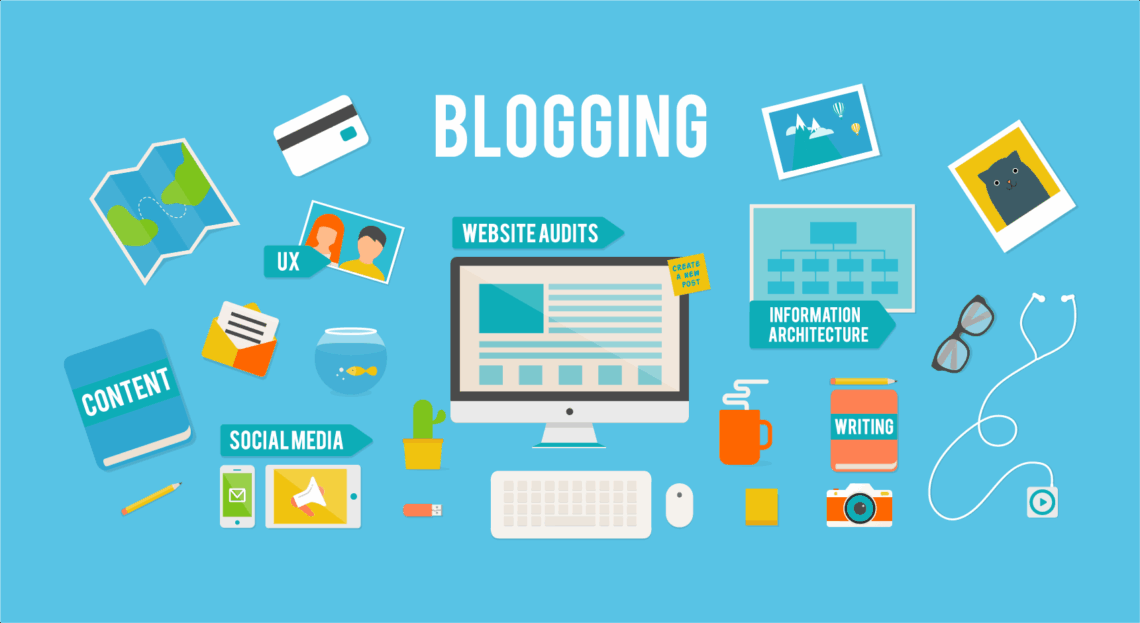
Top photo citation: Brown, M. (2012, November 19). What to blog about and how: 25 blogging lessons from 5 years. The Social Media Monthly. https://thesocialmediamonthly.com/what-to-blog-about-and-how-25-blogging-lessons-from-5-years/
Part One: Process
What did I build/make?
I created a subdomain post in which I talked about the history of blogging. It is open to the public, so everyone is able to read and learn about the history. The spread of knowledge is one of the best ways to communicate with others. The internet makes it easy to learn anything and everything if you know how to use it correctly.
What did I learn? (Website)
I learned so much from this project! I am always excited to learn new ways of creating, so when my teacher said I can create a page or post on my website. I took and ran with the idea of bringing back my website I have not touched in about a year. Down below are three things I learned for this project.
Number One: How to create a subdomain- When I had first created my website, I did not know I needed a subdomain each time I was in a different class to make it organized. I noticed that my whole website was full of digital storytelling, and now I needed to organize all of my digital storytelling into one click so that people could view everything I did in that class. In order to create a subdomain, I had to go to the DKC because I got overwhelmed. The person who I spoke to was able to help me sort out the website without having to redo my whole website. On my main website, I now have two buttons. One to take the viewer to my subdomain, which is for Intro into digital studies. Another button to take them to a page where the viewer can see what I did each week for digital storytelling.
Number Two: Remembering how to use WordPress– A year is a long time for not using a program. Lucky for us, once you use WordPress, it is like riding a bike, and you will not forget everything. I relearned how to embed YouTube videos and create buttons that link to other websites. I also relearned what a post versus a page on WordPress is. An easy way to remember which one to use would be that a post is something that you update a lot, and you can categorize your posts to be easy to find. A page is permanent information like your contact information.
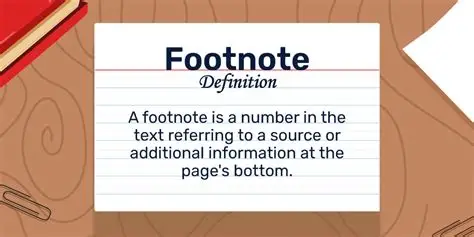
Number Three: I learned how to create footnotes to cite where my work and information came from. I am trying to use APA style since I am a psychology major, and all my work has to be in APA. However, I tend to get it confused with MLA because I started out as an education major, which uses MLA. I sometimes get them mixed up, so I always double-check my work. When using APA, you do not need footnotes, but you can use it for clarifications.
What did I learn? (History of Blogging)
Number One: I learned that there is someone that claims to be the founding father of blogging, which is Justin Hall. He started his first blog in 1994, and from then on there were changes in the word “blog.”

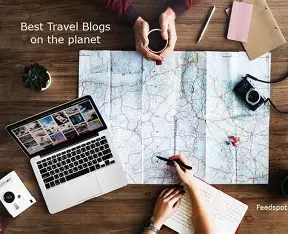
Number Two: There are many different types of blogging, not just the personal journal entry. I thought that a blog was about sharing your life with others on the internet, but nope. There are travel blogs, business blogs, review blogs, etc. Who knew there were so many different styles?
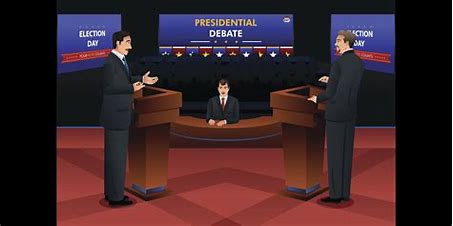
Number Three: Blogging is mostly created by females who are mostly 40 years old and up. These females are mostly white with a bachelor’s degree. Blogging can also be a part of US politics. Reposting, debates, and campaigns are all ways that have factored into US politics.
Why does the project matter:
This project matters because it shows the knowledge that I learned from researching blogging and putting it in a digital portfolio. I showed my technical skills by creating a new subdomain and embedding a YouTube video, hyperlinks, and footnotes. It will show my academic and technical skill throughout this semester.
Connections from class:
This project I have created connects to our class discussions, which have included digital identity, digital literacy, and platforms. Blogging helps us create our digital identity by sharing content and seeing how others perceive who we are as a writer. I show my personality through the images I share on WordPress and the format. It reflects my knowledge and skills that I have shared with others that will view and read my posts and pages. It is important to have some digital literacy, like my organization on my website, making it easy for the public to follow. By creating this WordPress page, I played around with the digital platform to gain experience, which can help my learning, reflect on my past work, and connect this class to the online website.
My domain:
For my domain and maybe the final project, I can add more to this subdomain. The skills I have learned through this will help me in the future, and it will save me time if I keep learning about blogging. I like doing reflections because it helps me think about the process I did in order to make this beautiful page/post. As you may have noticed, I have already uploaded my project and my reflection on this website. This will showcase my learning throughout this semester.
Digital Identity:
This project helped me shape my digital identity by showing my work to others through WordPress. In doing so, I created an online presence. I learned how to cite and organize my content for my viewer in a way that would be simple to navigate. This helped strengthen my digital literacy.
Future:
For the future, I can use the skills I have been taught in this course to help enhance my digital footprint. It will be important to learn digital literacy for resumes, portfolios, and even research projects. Overall, this assignment helped me gain a foundation for this course in an online space.
Part Two: Reflection

DI SLO One: I used tools such as Google and Google Scholar to locate articles for my research on blogging and shared my module on WordPress to reach an online audience. I applied my skills to locate and evaluate credible sources, including those found through library databases like Google Scholar. I used digital information correctly by using proper citations and footnotes. In class we discussed copyright and plagiarism, so I made sure to credit each website I used and to respect cultural and social considerations related to digital information.
DI SLO Two: I used WordPress to design and publish a post about what I learned about blogging, which shows that I can produce and share information online. I used text as well as images to share my ideas in two different ways. I made sure that everything was cited within the ethical and legal guidelines. I worked with digital tools to create a new post, like creating new buttons and embedding a GIF. This shows that I can communicate in a public digital space.
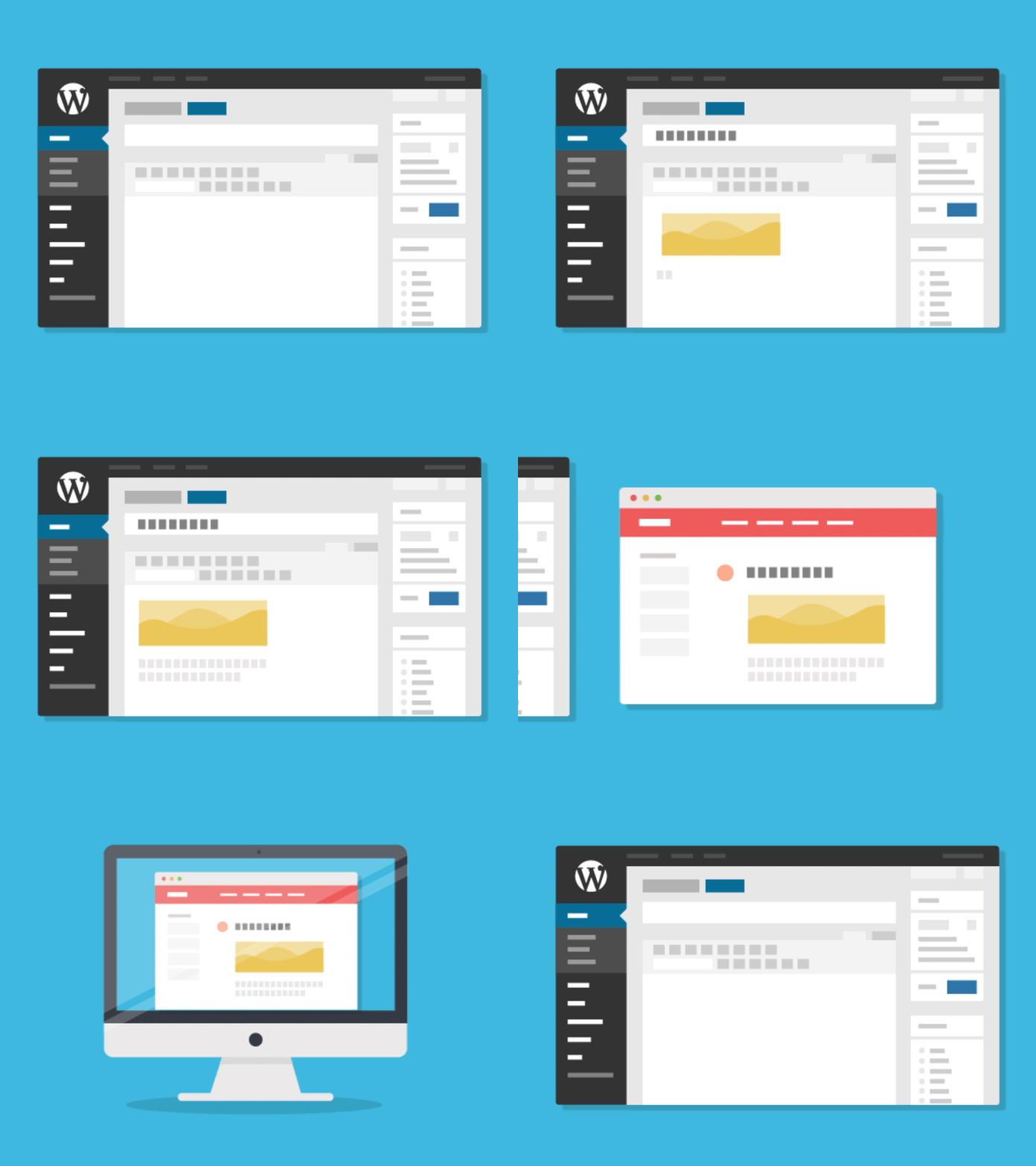
DI SLO Three: I needed different kinds of digital tools, which included embedding YouTube videos, buttons, bullet points, posts and pages, photos, GIFs, and a grammar check. I had to use these effectively in order to develop an independent and critical approach to technology. There was a lot of clicking around on WordPress, but I eventually got what I wanted to show my audience.